

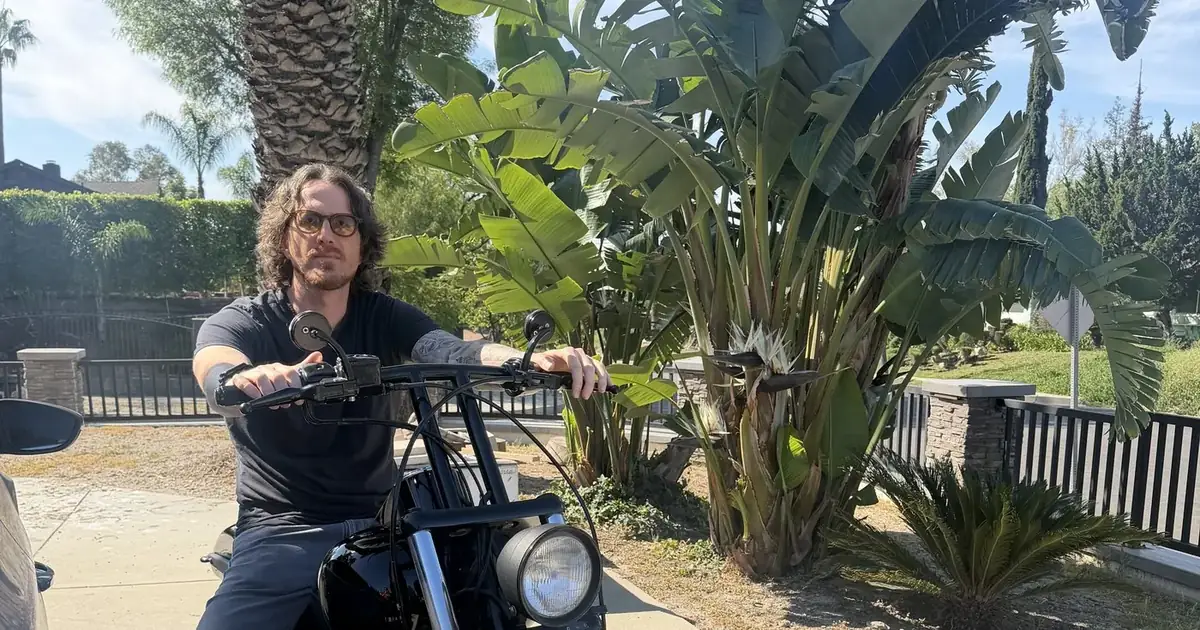
It took me 30 years to become a street rider, and the crazy part is I already knew how to ride. I grew up on dirt bikes and kept a toe in here and there over the years. But getting my own bike and riding real streets with real traffic? I built that up in my head for three decades, and a 15-hour course in a parking lot took it apart in a weekend.
I’m Johnny. I came to street riding at 50, the long way around, and I did every step of it the cautious way: the course, the license two years early, all of it. So this guide is the one I wish somebody handed me, whether you’re starting from zero or coming back after years away: what learning to ride a motorcycle actually looks like, what it costs, and what the numbers say about staying alive while you do it. If you want the longer version of how I got here, that’s the RideWolf story.
Is Riding a Motorcycle Hard?
Riding a motorcycle is a skill on par with learning to drive a stick-shift car, with balance added. The controls take a weekend to learn and a season to make automatic. What makes it feel hard is fear, and fear shows up before the riding, not during it. If you can ride a bicycle and stay calm, you can learn this.
I made a whole video about this exact wall, because I lived behind it for 30 years:
I’ll tell you what I tell every nervous guy who emails me: the fears consume you beforehand, but once you’re on the bike, you don’t even think about it. You’re too busy doing it. Day one you’re clunky. Day two you’re smoother. Day three it starts becoming muscle memory, and somewhere in there you catch yourself grinning inside your helmet like an idiot.
Respect the machine, though. The stats later in this post are real, and I want you to read them. Being aware is different from being afraid. That’s not fear. That’s me being aware.
Step 1: Take the Safety Course (Before You Even Buy a Bike)
Do the course first. Not after you buy a bike, not once a buddy shows you the basics in an alley. First. (When you do get to shopping, here’s which type of motorcycle fits which rider.) I had my motorcycle license two years before I ever rode my own bike, and the course is the reason I had it: you show up knowing nothing, they hand you a small training bike, and by Sunday afternoon you’ve ridden, shifted, swerved, and stopped a motorcycle a few hundred times.
And if you rode years ago and figure you’re past all this, take it anyway. I could already ride when I signed up. The course was my refresh, and it still taught me street strategy that no dirt trail ever did.
Around the country that course is the MSF Basic RiderCourse: about 15 hours, 5 in a classroom and 10 riding. Here in California it runs through the CMSP (the state’s motorcyclist training program), and finishing it gets you a DL 389 certificate that waives the DMV riding skills test for your M1 license. Most other states waive their riding test the same way.
| The beginner safety course | The deal |
|---|---|
| Time | ~15 hours total: 5 classroom + 10 on the range (typically one weekend) |
| Cost | Varies by state: free in Pennsylvania, typically $395–$425 in California |
| Bike + helmet | Provided. You drop their bike, not yours |
| Experience needed | None. Built for people who have never touched a motorcycle |
| What you leave with | Real skills, plus a certificate that waives the license riding test in most states |
Cheapest confidence you’ll ever buy. And if you drop the bike in the lot (somebody in every class does), it’s their 300-pound trainer, not your new ride.
Step 2: Get Real Gear Before Your First Ride
I ride in a full-face helmet and an airbag vest, every single ride, and I’ve got no interest in looking cool at a stoplight while I do it. The gear math is lopsided in your favor. NHTSA’s data says helmets alone are 37% effective at preventing rider deaths, and an Australian crash study measured how much motorcycle gear cuts your injury risk in a real crash:
| Gear | Injury risk in a crash |
|---|---|
| Motorcycle jacket | ~21% lower |
| Motorcycle pants | ~51% lower |
| Motorcycle gloves | ~59% lower |
| Motorcycle boots (vs. sneakers) | ~54% lower |
For the helmet, look for the DOT FMVSS 218 certification label on the back; the newer ECE 22.06 standard adds rotational-impact testing on top of that. A quality DOT-rated full-face starts around $150 at the big retailers. Yes, good gear costs real money. I broke down every piece, label by label, in motorcycle gear for beginners. I priced all of it out in what a motorcycle actually costs if you want the full damage.
Step 3: Learn the Controls (Simpler Than They Look)
People ask how to drive a motorcycle like the cockpit is a fighter jet. It’s five controls, and your hands and feet each get a job:
| Control | Where | What it does |
|---|---|---|
| Throttle | Right grip, twist | Speed. Roll toward you = go |
| Front brake | Right-hand lever | Most of your stopping power |
| Clutch | Left-hand lever | Connects and disconnects engine power |
| Shift lever | Left foot | Changes gears: 1 down, rest up |
| Rear brake | Right foot pedal | Stability + low-speed stops |
Sit on the bike in the driveway and touch each one until you don’t have to look. That’s genuinely the whole trick. Your brain wants this to be complicated. It isn’t.
Step 4: The Friction Zone (This Is the Whole Game)
Every smooth launch, every slow U-turn, every crawl through a parking lot comes down to one thing: the friction zone. It’s the zone in the clutch lever’s travel where the engine’s power starts feeding to the rear wheel before the clutch fully grabs. Ease the lever out to that spot, add a little throttle, and the bike walks forward under your control.
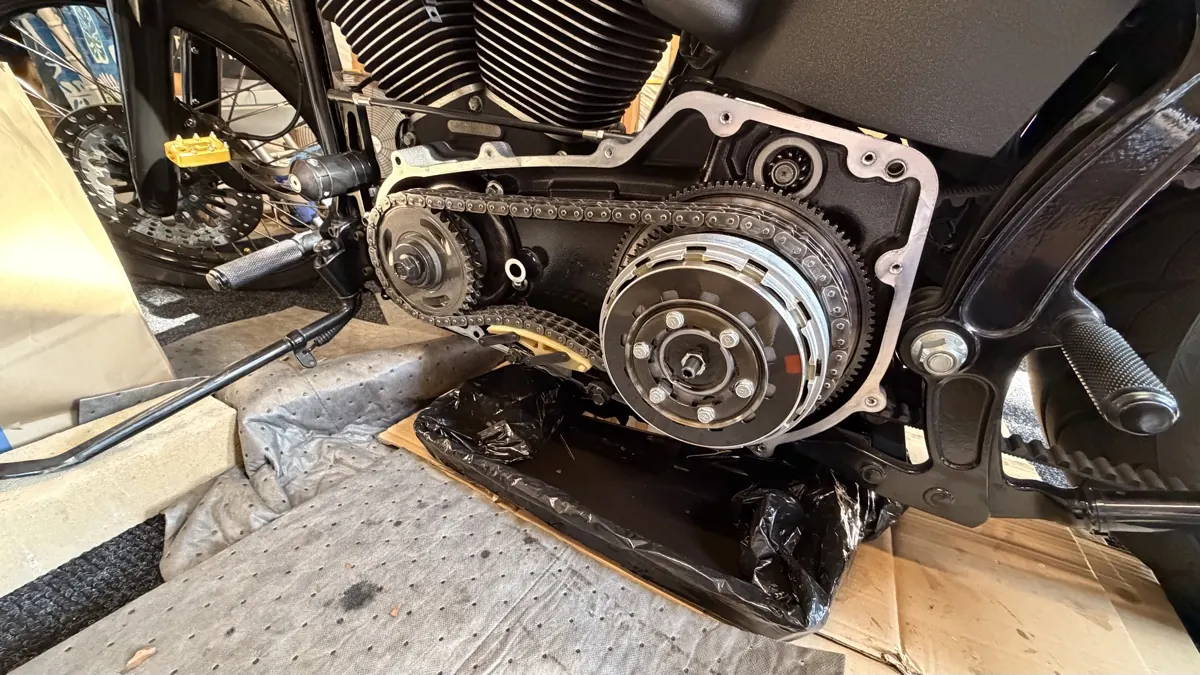
Full disclosure: this part came easy for me. I grew up riding dirt bikes and kept riding here and there over the years, and the friction zone stays in your hands once it’s there. You don’t really forget it. Kind of like whistling. Nobody remembers learning, but nobody loses it either.
If you’re completely new to riding, you will stall it. Everybody stalls it. Stalling means you let the clutch out too fast, the bike hiccups and dies, and you start it again. It costs you nothing but pride, and pride is the cheapest thing you’ll shed learning to ride.
Step 5: How to Shift a Motorcycle
Shifting a motorcycle sounds scary and becomes automatic faster than anything else on this list. The pattern on nearly every bike: first gear is one click down with your left toe, neutral sits half a click up from first, and the rest of the gears click up from there. The rhythm never changes: roll off the throttle, pull the clutch, click the shift, ease the clutch out, roll the throttle back on. Say it out loud while you practice. By your second tank of gas your foot does it without asking you.
Downshifting is the same dance in reverse, and the bike will tell you what it needs: engine screaming means shift up, engine lugging and chugging means shift down. When you’re ready to go deeper on that, I broke down braking, downshifting, and when to use the clutch in its own post.
Step 6: Your First Rides, From Parking Lot to Real Roads
The course teaches you to ride; the first six months teach you to ride well. For a brand-new rider the ladder goes like this: empty parking lots, then quiet neighborhood streets, then bigger surface roads, then eventually the freeway. You don’t grab the next rung until the current one bores you. The rung most riders forget is the one after the freeway: your first trip that needs a hotel booking, which is a planning job of its own.
My version was shorter, but same idea. The day I got my bike I took it out on the streets in my neighborhood, and I knew inside of a mile that knowing how to ride wasn’t the same as knowing this bike. Turns with the T-bars felt different than anything I’d ridden, and a Harley carries a whole lot more weight than a dirt bike. So I took it to a parking lot and got all the jitters out before I asked it for anything real. Do that with every bike that’s new to you. I don’t care how long you’ve been riding.
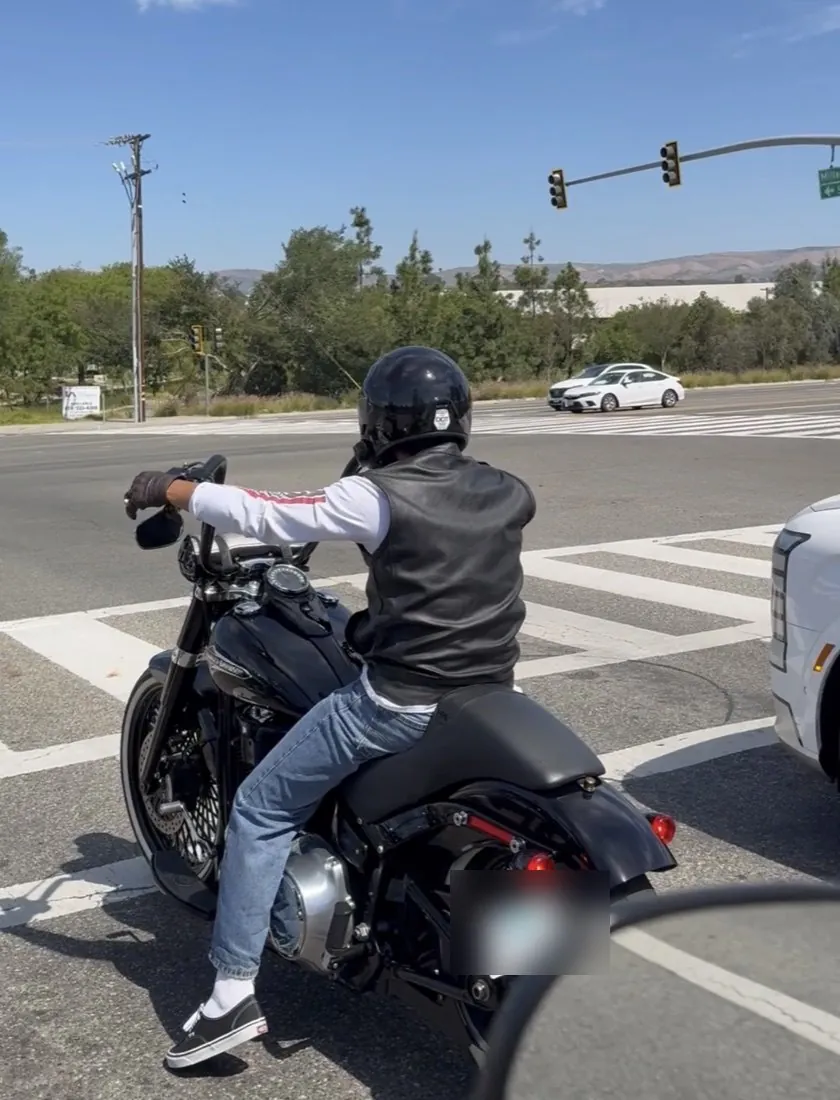
A few habits that came straight from my course and my crew:
- Do the walk-around. MSF calls it T-CLOCS: tires, controls, lights, oil, chassis, stands. Two minutes before every ride.
- Eyes up, scanning. MSF’s whole street strategy is Search, Evaluate, Execute. Look where you want to go, because the bike follows your eyes.
- Learn countersteering early. Above roughly 12–15 mph, you press the grip in the direction you want to turn: press left, lean left, go left. Weird for a day, then it’s just how turning works.
- Assume you’re invisible. Ride like nobody sees you, because half of them genuinely don’t.
And don’t do those first months alone if you can help it. My first real group ride, all the fear I’d been carrying went out the window inside of ten minutes. Riding behind guys with 30 years of experience is a free masterclass, and it’s half the reason I built anything at all. My full guide to group riding covers how those rides actually work.
The Mistakes That Actually Get New Riders Hurt
I went digging in the federal crash data so you don’t have to, and the pattern is blunt. In NHTSA’s 2023 numbers, 34% of riders killed had no valid motorcycle license, 26% were alcohol-impaired, and mile for mile, motorcycles carry almost 28 times the fatality rate of cars. The NTSB adds one more: riders with under two years of experience run close to triple the crash risk of veterans.
Read that list again, because it’s also a to-do list in reverse. Get licensed, ride sober, wear the helmet, respect your rookie window. You just quietly stepped over most of the graveyard. I wrote the whole honest breakdown in are motorcycles dangerous, including what I do about the risk that’s left.
The bike doesn’t care how old you are, by the way. I didn’t get my own bike until 50. My father-in-law is 74 and still rides his 1975 shovelhead up to Big Bear. Ride till the wheels fall off.
FAQ: Learning to Ride a Motorcycle
How long does it take to learn to ride a motorcycle?
The basics take one weekend: the MSF Basic RiderCourse is about 15 hours, and you’ll ride a motorcycle the first day. Real comfort takes a few months of regular practice, and federal crash data suggests treating your first two years as your learning window. Skill comes fast; judgment takes miles.
Can I teach myself to ride a motorcycle?
You can, and I wouldn’t. A weekend safety course costs less than the repairs from one dropped bike, teaches in two days what alley lessons teach in months, and in most states it waives your license riding test. Add in the crash risk carried by unlicensed riders, and formal training is the easy call.
Do you need a license to ride a motorcycle?
Yes. Every state requires a motorcycle endorsement or license; in California it’s the M1, and finishing the CMSP course waives the DMV riding test. It matters beyond the ticket: about a third of riders killed in crashes had no valid motorcycle license. Get legal, get trained.
What size motorcycle should a beginner start with?
Start smaller and lighter than your ego wants. Most training courses put you on bikes in the 250–500cc range for a reason: they’re forgiving while your reflexes are still learning the job. You can move up in a season or two. Nobody ever regretted learning on an easy bike.
Am I too old to learn to ride a motorcycle?
No. I did my course around 50 and my father-in-law still rides at 74. Age brings the one thing new riders lack most, which is patience. Take the course, build up slowly, ride with people you trust, and let the young guys have the wheelies.
What is the friction zone on a motorcycle?
The friction zone is the part of the clutch lever’s travel where engine power starts reaching the rear wheel before the clutch fully engages. Riding that zone of partial engagement is how you launch smoothly from stops and control the bike at walking speeds. Master it and the rest of riding follows.
One More Thing Before You Go
Look, I already knew how to ride, and I still waited 30 years, because everybody told me I’d die and nobody I knew could show me the ropes. That should tell you something. The learning was never the hard part. The starting was. A weekend course and a good crew turned the scariest thing on my list into the best part of my week.
Take the Course. Get the Bike. Don’t Ride Alone.
The crew part is the step nobody helps you with, and it’s exactly why we’re building RideWolf: so new riders can find people to ride with instead of figuring it out solo like I almost did. We’re opening it up soon.
When you’re ready to see what riding with people looks like, here are the group motorcycle rides near you. The last thing you want is to be on your deathbed going, “I really wish I would have got on that bike.” Put that first foot forward and just do it. We’ll see you on the next one, you guys.
Peace.